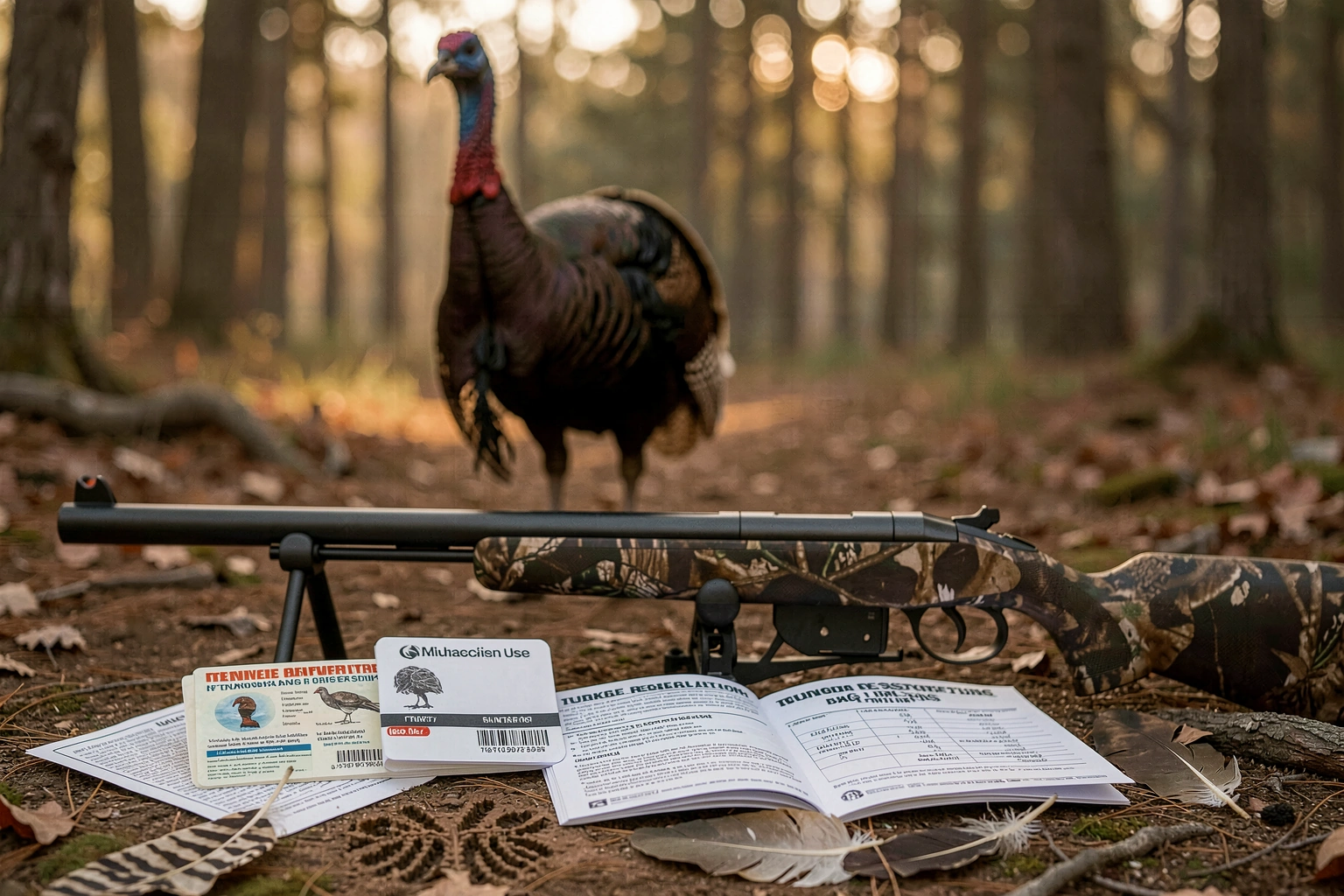
Yes, turkey is a game bird. More specifically, wild turkey is officially classified as a game bird under hunting regulations across the United States, both at the state level and in federal wildlife management guidance. If you're trying to figure out whether hunting a turkey requires a game bird license, endorsement, or season restriction, the short answer is: it does, because wild turkey sits squarely in the regulated game bird category.
Is Turkey a Game Bird? Wild vs Domestic Rules and Licenses

Maya Bennett
20 Mar 2026
What 'game bird' actually means
The term 'game bird' is not just a casual label. It is a legal and regulatory classification used by wildlife agencies to define which bird species can be legally hunted, under what conditions, and with what licenses or permits. Game bird status tells hunters (and enforcement officers) that a species is protected except during designated seasons, and that taking one requires following specific rules.
Within the game bird category, wildlife agencies often split species into two main groups: upland game birds and migratory game birds. Upland game birds are land-based species that do not migrate long distances across international borders. Wild turkey falls firmly into the upland game bird group. Migratory game birds, like ducks and geese, are governed under separate federal migratory bird treaty rules through Title 50 CFR Part 20.
How states officially classify wild turkey
The classification is consistent across states, even if the exact wording differs. Here is how a few states define it:
- Georgia law explicitly lists 'turkey' in its statutory definition of 'Game birds' under Georgia Code § 27-1-2.
- North Carolina defines 'Upland Game Birds' as grouse, pheasant, quail, and wild turkey, making it one of only four species named in that legal category.
- Texas Parks and Wildlife Department (TPWD) lists all varieties of wild turkey under its game bird category and requires an Upland Game Bird Endorsement to hunt them.
- California includes wild turkeys under its upland game bird hunting regulations, specifically referencing 'wild turkeys of the order Galliformes.'
- The U.S. Fish and Wildlife Service treats wild turkey as a 'Forest Game Bird' in its upland game hunting guidance on federal refuges.
These are not informal descriptions. They are the actual regulatory definitions that determine whether you need a license, what season you can hunt, and how many birds you can take. When North Carolina or Georgia puts 'turkey' in a legal statute next to 'game bird,' that is about as official as it gets.
Wild turkey vs. domestic turkey: not the same thing
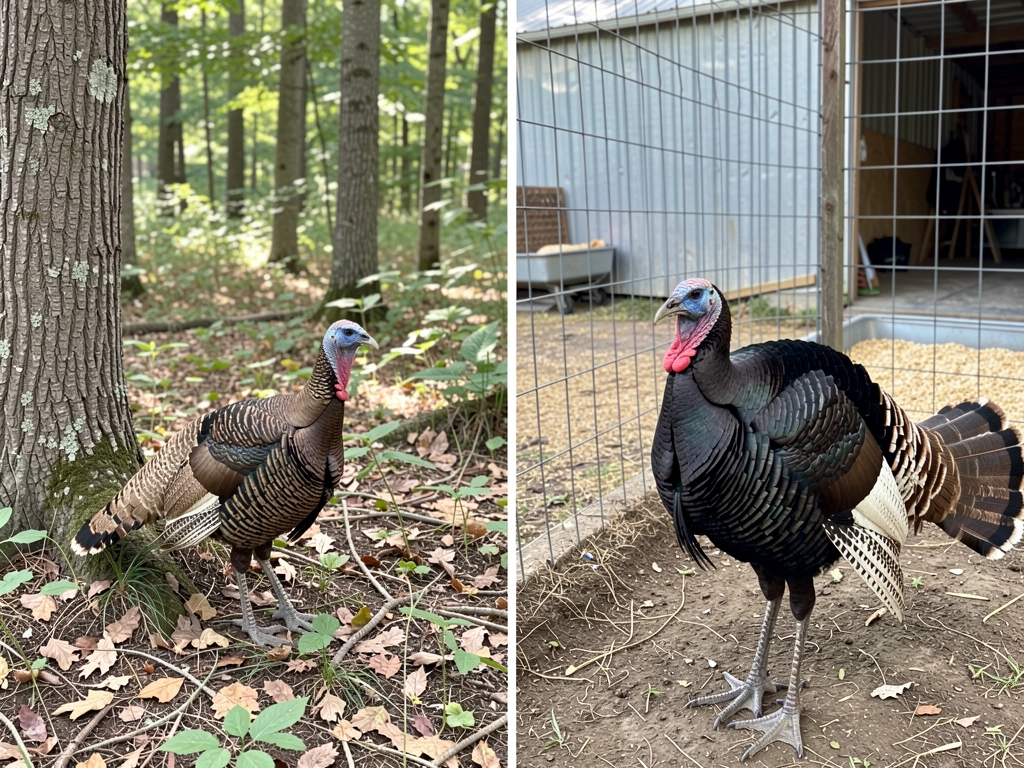
Here is where a lot of people get confused. The game bird classification applies specifically to wild, free-ranging turkeys, not to the domestic birds raised on farms or in backyards. Utah's administrative rules make this distinction very clearly: a 'wild turkey' for regulatory purposes means a wild, free-ranging turkey, and the definition explicitly excludes privately-owned wild turkeys, domestic turkeys, and wild-domestic hybrids.
Domestic turkeys fall under an entirely different set of rules. The USDA APHIS handles domesticated turkeys under animal welfare and agricultural standards, classifying them as livestock or poultry rather than game birds. So if you are raising turkeys on a farm, game bird regulations do not apply. But if you are heading into the woods during turkey season, you are dealing with a regulated game bird all the way.
| Type of Turkey | Regulatory Classification | Who Governs It | Hunting License Required? |
|---|---|---|---|
| Wild, free-ranging turkey | Upland game bird | State wildlife agencies + USFWS on federal land | Yes, with season limits and often an endorsement |
| Domestic turkey (farm-raised) | Agricultural poultry / livestock | USDA APHIS | No |
| Wild-domestic hybrid or privately owned | Excluded from game bird rules in many states (e.g., Utah) | Varies by state | Generally no, but check local rules |
Why turkey is an upland game bird and not a migratory one
Wild turkeys belong to the order Galliformes, which is the same taxonomic group that includes pheasants, quail, grouse, and chickens. Birds in this group tend to be ground-dwelling, heavy-bodied, and built for short bursts of rapid flight rather than long-distance migration. Turkey fits that profile perfectly. They scratch around on the forest floor, roost in trees at night, and can fly fast when startled, but they do not migrate south for the winter the way waterfowl do.
Because wild turkeys stay in the same general region year-round and do not cross international borders during migration, they are not governed under the federal migratory bird treaty framework that covers ducks and doves. Instead, individual states have primary authority over wild turkey seasons and bag limits, with the federal government stepping in mainly for hunts on federal lands like national wildlife refuges.
What this means if you want to hunt turkey
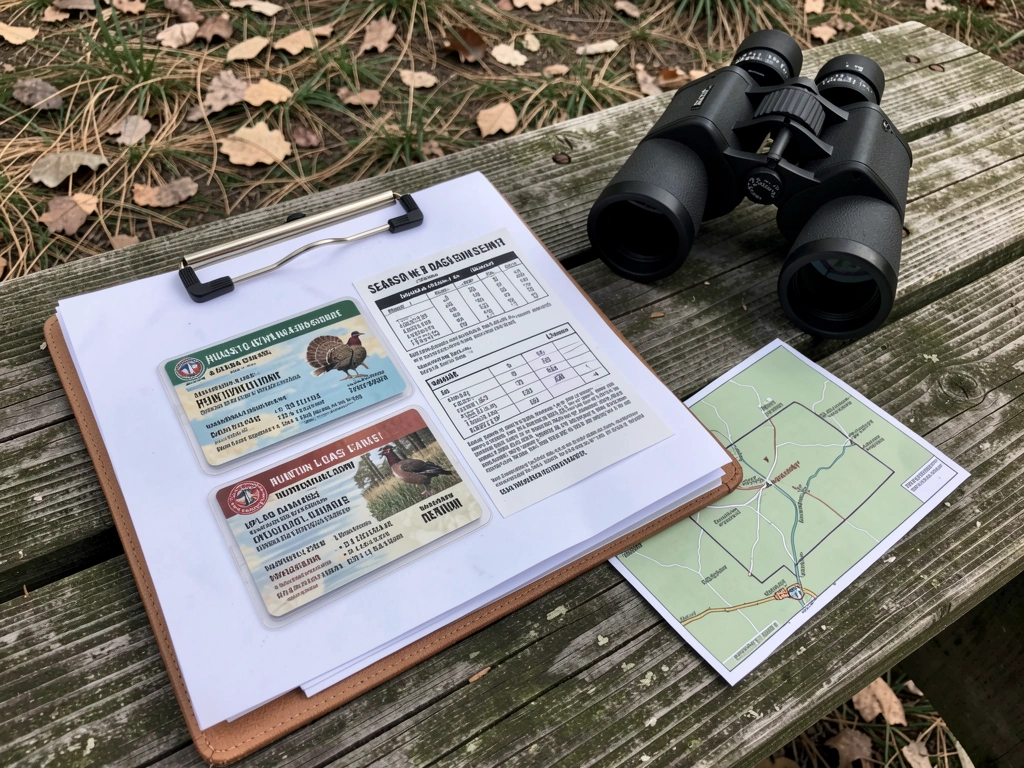
Because wild turkey is classified as a game bird, hunting one legally is not as simple as having a basic hunting license in most states. Here is what you typically need to think about:
- Get the right license. Most states require a standard hunting license as the base requirement.
- Add any required endorsements. Texas, for example, requires an Upland Game Bird Endorsement on top of your hunting license specifically to hunt turkey.
- Know the season. Wild turkey hunting is restricted to specific spring and sometimes fall seasons set by each state. Hunting outside those windows is illegal regardless of other licenses.
- Understand bag limits. There are daily and annual limits on how many birds you can take. These vary by state and sometimes by county or zone.
- Check federal rules if hunting on federal land. If you are hunting on a national wildlife refuge or other federal land, the U.S. Fish and Wildlife Service sets additional rules for that specific property.
The Texas State Historical Association notes that wild turkey (Meleagris gallopavo) has been a widely hunted game bird in Texas for a very long time. That cultural and historical tradition is part of why the regulatory framework around turkey hunting is so well-developed today.
A quick ID recap for the bird itself
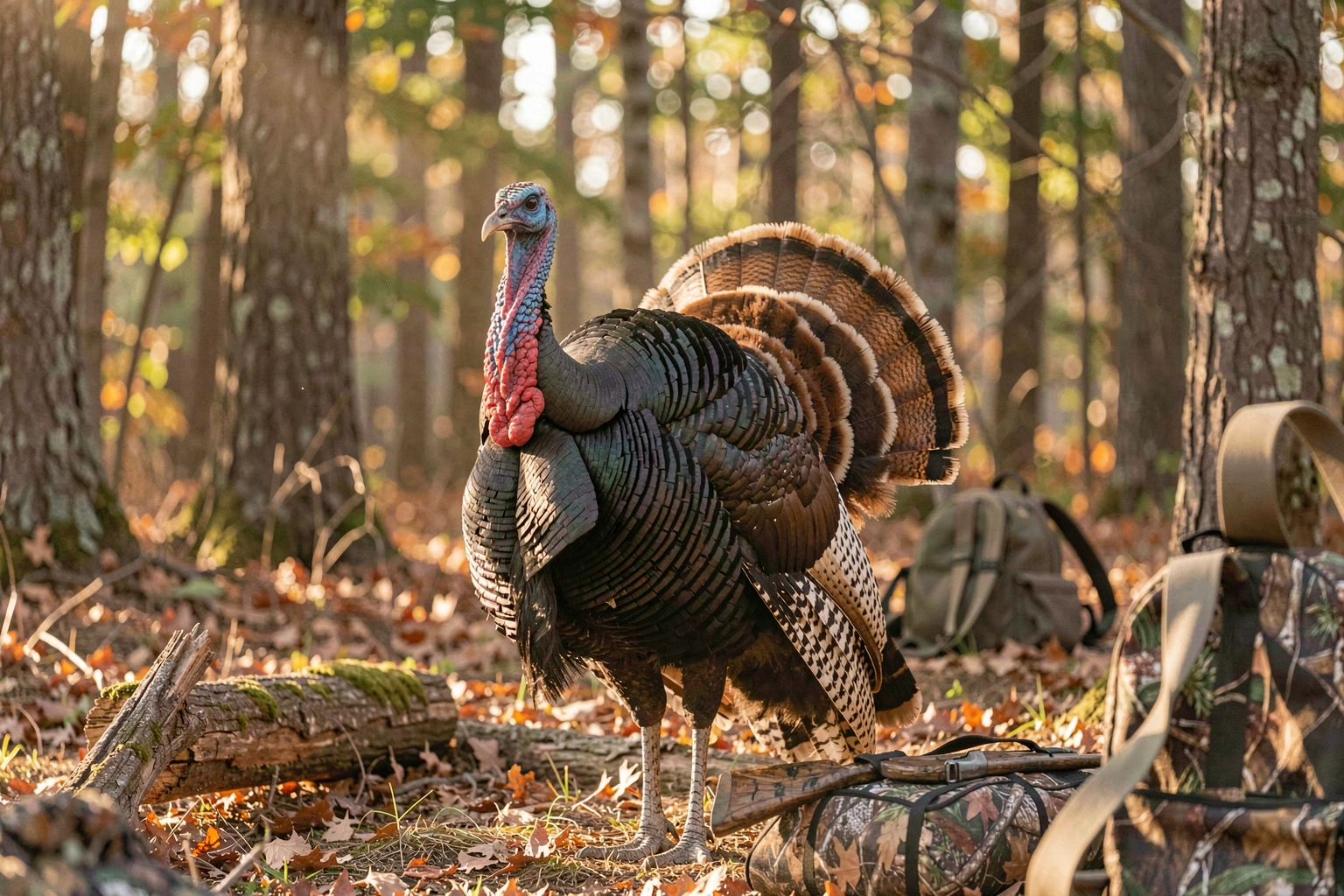
Just to round out the picture: wild turkey is a large, unmistakable bird when you see one up close. Adult males (called toms or gobblers) can weigh anywhere from 16 to 24 pounds, have iridescent bronze-green feathers, a fanned tail, a bare reddish-blue head, and a fleshy growth called a snood that hangs over the beak. Females (hens) are smaller and more muted in color. They are definitely birds, not mammals, and they can fly (short distances, quickly), which surprises some people who assume they are flightless.
Wild turkey has no real lookalikes in North American forests. They are big, loud (that gobble is hard to miss), and travel in flocks. If you see one, you know what it is.
The bottom line
Wild turkey is unambiguously a game bird. It is legally defined as one in state statutes from Georgia to California, regulated as an upland game bird by every state wildlife agency, and treated as a forest game bird in federal refuge hunting guidelines. turkey is a bird The classification is based on its biological traits (Galliformes, non-migratory, ground-dwelling) and its long history as a hunted species. Domestic turkeys are a separate story, handled under agricultural regulations rather than hunting law. If you are planning a turkey hunt, treat it like the regulated game bird it is, get the right license and any required endorsements, and follow the season rules for your state. is a turkey a mammal or bird is a wild turkey a game bird Are turkeys flightless? turkey is a bird are turkeys considered birds or chickens
FAQ
If turkey is a game bird, do I always need a special endorsement or just a regular hunting license?
Usually yes for wild turkey, but the exact requirement can be different from state to state. In many places you need (1) the base hunting license, plus (2) an upland game bird validation or endorsement, and (3) you must hunt during the state turkey season dates. If you’re hunting on a federal refuge or other federal land, double-check those specific rules because they can add area-specific restrictions even when the species is the same.
Can I hunt a farm-raised or privately owned turkey during “turkey season”?
Wild turkey generally means you cannot legally take a farm-raised or backyard turkey using the same rules as wild season hunting. The tricky part is hybrids and privately kept birds, because some states treat them differently or exclude them from the “wild” definition. If there’s any chance the turkey is privately owned, look up your state’s definition of wild turkey and bring that exact wording with you, because enforcement decisions hinge on that classification.
What happens if I shoot a turkey and it turns out it was not considered “wild” where I’m hunting?
If you accidentally shoot the wrong type of turkey (for example, a domestic bird or a bird you thought was wild), the consequences can range from a warning to serious charges, depending on whether it was knowingly unlawful and what proof exists. The practical move is to verify what’s legal on the land you’re hunting, especially near farms, game bird preserves, and areas where owners may release birds. When in doubt, do not shoot.
Does federal migratory bird law apply to turkey hunts?
Turkey is almost always regulated under state upland game bird rules, not the federal migratory game bird framework. However, the federal rules can still matter if you hunt on certain federal lands or for certain actions like transporting or documenting birds. So, the next step is to check both your state’s turkey page and the specific property you’re hunting (state land, national forest, national wildlife refuge, etc.).
Are turkey seasons and bag limits the same across the whole state?
Yes, and that’s where a lot of people mess up. Seasons and bag limits are not the same everywhere, and some states split seasons by zone, management unit, or even weapon type (archery only vs general firearms). Before you drive out, confirm you’re in the correct zone and season window for your exact county or unit.
Do I need to report or tag a turkey after harvest?
Often, but it’s not automatic. Some states require additional documentation or a particular validation for upland game bird hunting, and some have reporting requirements or harvest check-in systems. If your state uses a harvest tag or check procedure, bring it and use it immediately after harvest, because late reporting can create problems even when you were legally allowed to hunt.
Does the “game bird” rule mean any weapon is allowed for turkey hunting?
Turkey hunting rules can change based on method. Some states restrict turkey taking by weapon, require certain shot types or draw weight ranges for archery, and may impose restrictions for crossbows, non-toxic shot, or hunting hours. If you’re planning a hunt, make sure your exact gear and method match what the regulations allow for turkey specifically, not what’s allowed for other upland birds.
If I have permission from a landowner, do I still need the right license and endorsement to hunt turkey?
Private land can be legal for turkey hunting, but it does not override statewide definitions and requirements. The landowner’s permission is separate from your legal authorization to hunt and your ability to comply with turkey-specific season, endorsement, and bag-limit rules. Always confirm both the land access terms and the applicable turkey regulations before hunting.
Next Article
Is a Wild Turkey a Game Bird? Legal Answer and Next Steps
Yes. Wild turkey is a game bird, so hunt legally with your state license, season dates, and bag limits.