Yes, a wild turkey is absolutely a game bird. That classification holds up across every state where wild turkeys live and every regulatory framework I have ever looked at. The short answer is that wild turkeys are legally recognized as game birds, which means hunting them requires a valid license, following a defined season, and staying within bag limits set by your state.
Is a Wild Turkey a Game Bird? Legal Answer and Next Steps

Maya Bennett
20 Mar 2026
What "game bird" actually means
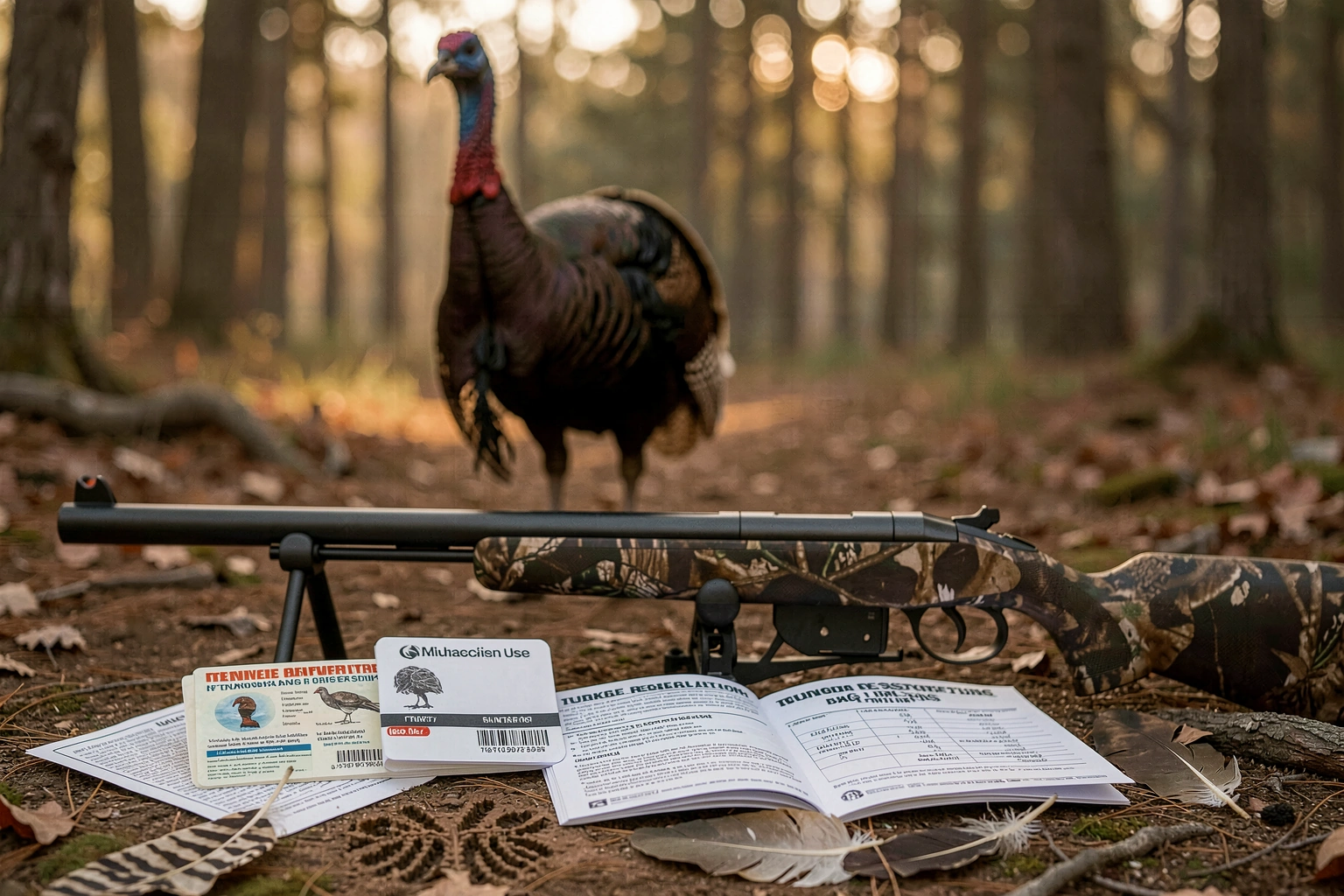
A game bird is any bird species that can be legally hunted under a defined set of rules. States regulate game birds through their fish and wildlife agencies, and those agencies write specific rules covering when you can hunt, how many you can take, and what gear is allowed. The term itself is just a legal category, not a scientific one. Different states sometimes break it down further into subcategories.
Wild turkeys usually fall under one of two subcategories depending on the state: upland game bird or big game. North Carolina is a good example of how this can look different from state to state. The state's General Statutes define upland game birds as "Grouse, pheasant, quail, and wild turkey," placing turkey squarely in that category at the statutory level. But the North Carolina Wildlife Resources Commission's species page also classifies wild turkey under Big Game. Both are accurate because the state uses each category in a different regulatory context.
Washington's administrative code takes a clean approach and simply lists "wild turkey (Meleagris gallopavo)" directly in its definition of game birds. Maine calls it an upland game bird outright and ties that classification to the species' long reestablishment history in the state. California, Texas, and Florida all treat wild turkey as an upland game bird as well, but each has its own twist on licensing, seasons, and bag limits.
Wild turkeys are not protected by federal migratory bird law
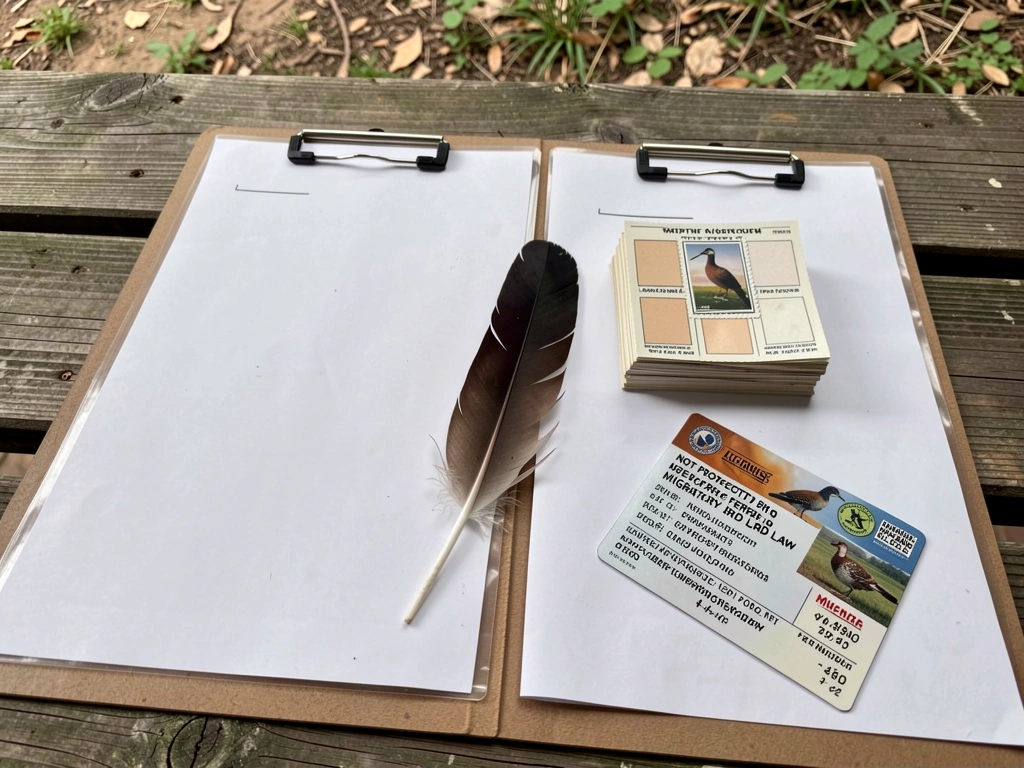
This is worth knowing, especially if you are trying to understand why turkeys are regulated differently from ducks or doves. The Migratory Bird Treaty Act (MBTA) protects a long list of bird species defined in 50 CFR § 10.13. Wild turkeys are not on that list. They do not migrate across international boundaries in the way waterfowl do, so the federal government does not claim jurisdiction over their seasons. That responsibility falls entirely to individual states.
This means you do not need a federal stamp or federal permit to hunt wild turkeys the way you do for ducks or geese. Your state hunting license and any required endorsements are what matter here.
How seasons and bag limits actually work
Because states handle wild turkey regulations on their own, the rules vary a lot from one place to the next. Spring seasons are the most common and most popular because that is when gobblers are active and vocal. Fall seasons exist in many states but are less universal. Here is a quick look at how a few states approach it.
| State | License/Endorsement Needed | Spring Season Bag Limit | Notable Rule |
|---|---|---|---|
| Texas | Upland Game Bird Endorsement required | Varies by zone/county | Some east zone counties restrict bag to gobblers only or gobblers/bearded hens; proof of sex may be required |
| Florida | State hunting license | Two birds for spring season; one per day on WMAs | Non-residents face additional starting restrictions on certain Big Cypress units in the first nine days of the 2026 spring season |
| California | Upland game bird validation required | Varies | Method restrictions apply, including specific arrowhead/broadhead rules for bowhunters |
| North Carolina | Standard hunting license | Defined by season rules | Turkey classified as both upland game bird (by statute) and big game (by species management) |
| Maine | Standard hunting license | Defined by season rules | Classified as upland game bird; management tied to state reestablishment history |
| Ohio | Standard hunting license | Defined by zone and season | Spring season has specific time-window rules for taking turkey by zone (see Rule 1501:31-15-10) |
| Massachusetts | Standard hunting license | Defined under 321 CMR 3.02(9) | Dedicated regulatory section for wild turkey hunting within state CMR framework |
| Washington | Standard hunting license | Defined by season rules | Wild turkey explicitly listed by scientific name in state game bird definitions (WAC 220-400-030) |
The takeaway from this table is not the specific numbers, since those change from season to season, but the pattern. Every state treats wild turkey as a regulated game species with its own licensing requirements, dedicated season dates, and bag limits. The rules are written specifically for turkeys, not bundled generically with other birds.
What you actually need before you go
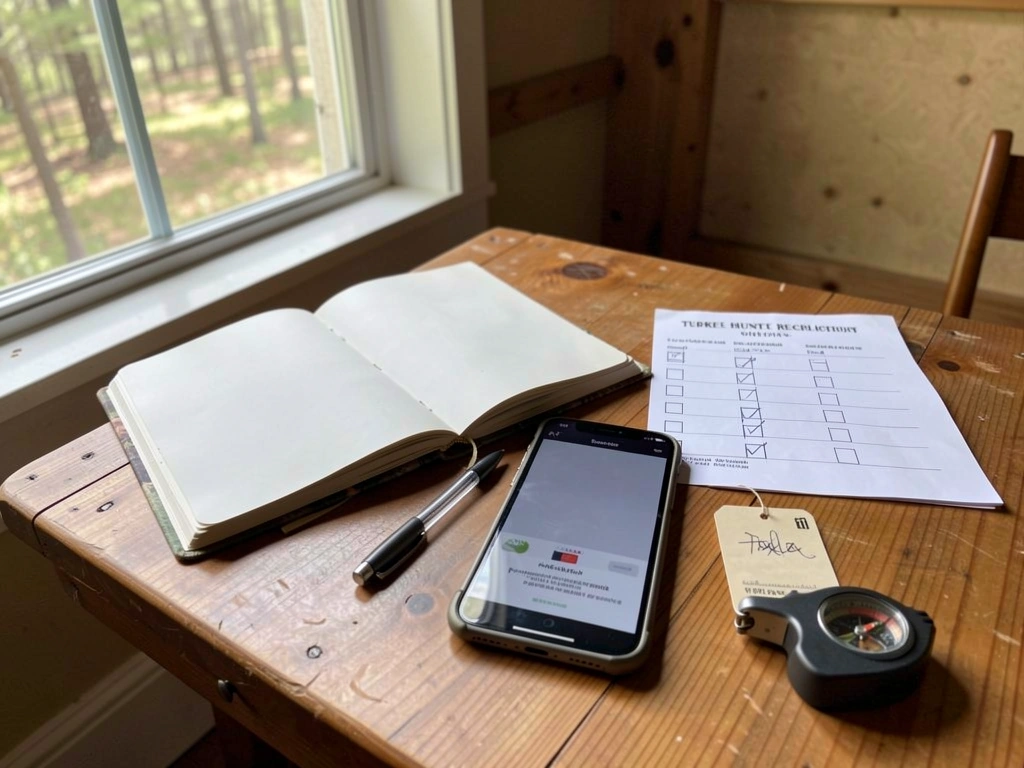
Since regulations vary so much by state, the most important step before any turkey hunt is checking your specific state agency's current regulation booklet. Seasons, bag limits, and even legal shooting hours can change year to year. Here is what you need to figure out regardless of where you are hunting.
- Get your state hunting license if you do not already have one for the current license year.
- Check whether your state requires an additional turkey tag, permit, or upland game bird endorsement. Texas, for example, requires a separate Upland Game Bird Endorsement to hunt turkey legally.
- Look up the specific season dates for your zone or county. Many states break turkey seasons into zones with different open dates.
- Know your bag limit for both the daily and seasonal totals, and understand if there are restrictions on sex (gobblers only, bearded birds, etc.).
- Understand any method or equipment restrictions. California has specific archery rules for wild turkey, and several states have restrictions on electronic calls.
- If you are hunting on a Wildlife Management Area (WMA) or public land, check for additional unit-specific rules. Florida, for instance, applies stricter daily bag limits on WMAs compared to private land.
A quick species look at the wild turkey itself
The wild turkey (Meleagris gallopavo) is a large, heavy-bodied bird native to North America. Adult males, called gobblers or toms, can weigh anywhere from 11 to 24 pounds and are recognizable by their iridescent bronze and green feathers, bare red and blue heads, and prominent tail fan when displaying. Females, called hens, are smaller and duller in color, which is part of why some states restrict harvests to gobblers only during certain seasons.
Wild turkeys are not flightless. They roost in trees at night and can fly short distances, though they prefer to run. They are also not the same as domestic turkeys, which are selectively bred descendants of wild birds and look noticeably different in body shape and color. In the field, the wild turkey's long legs, fanned tail, and wariness make it one of the more challenging game birds to hunt, which is a big reason it is so popular among hunters.
The bottom line
Wild turkeys are turkeys as game birds in every legal and practical sense of the term. Every state with a wild turkey population regulates them as such, whether they call them upland game birds, big game, or just game birds. Federal migratory bird protections do not apply, so your state's rules are the ones that matter. Before you head out, pull up your state wildlife agency's current turkey regulations, confirm your license and any required endorsements are in order, and double-check season dates and bag limits for your specific zone. The regulations are there to keep turkey populations healthy and hunting seasons sustainable, and they are worth taking seriously.
FAQ
If wild turkeys are game birds everywhere, can I hunt them any time I want as long as I have a license?
Yes, in all states where wild turkeys are hunted they are treated as a legal game species, but the practical catch is that “game bird” does not mean you can hunt on public land anytime. You still must follow your state’s exact turkey season dates, zone rules, and bag limits for that land type (state forest, federal refuge, WMA), and some properties have additional restrictions or closures beyond the statewide rules.
Does “game bird” mean any weapon and any hunting method is legal for wild turkeys?
No. The “game bird” label tells you the animal is legally huntable during season, but it does not automatically make every gun or method legal. Some states restrict how you can take turkey (for example, weapon types, draw weight or broadhead rules for archery, or restrictions on shot size and shot type where shotguns are allowed). Always check the turkey-specific method rules, not just the general hunting regulations.
If my state has spring and fall turkey seasons, do my bag limits reset each season?
Possibly, but it depends on your state’s turkey season structure. Many states have spring and fall seasons with different bag limits, and some apply separate rules for gobblers versus bearded hens. If your state allows more than one season or split seasons by zone, you need to track cumulative limits across the relevant dates, not just the number of birds you take on one trip.
What if the statewide bag limit is higher than the limit on the land I want to hunt?
Be careful. Some states set a statewide bag limit, then apply additional limits by management unit, zone, or specific public lands. You can stay within the statewide total but still be in violation if you exceed the unit or daily bag cap for that particular area (for example, certain WMAs or specific counties). The safest approach is to confirm the bag limit for the exact zone or WMA you plan to hunt.
Are there any federal or transport rules I should worry about when taking wild turkeys?
State rules cover licensing, but federal law still matters for what you do with the bird and how you transport it. While wild turkeys are not under the MBTA migratory bird list, you can still run into other federal or state wildlife transport, tagging, or carcass possession requirements. Before you drive home, check your state for any required evidence of sex, tag, or reporting steps (some states require immediate documentation under specific circumstances).
Why do turkey rules sometimes appear under upland game birds and other times under big game?
Some states treat turkey as a game bird category under upland rules, while others manage it within big game or special rules. Practically, this affects which chapter of the regulations you follow, which endorsements or tags apply, and sometimes season timing. Don’t assume the turkey section is identical to other upland birds, use the turkey section of the booklet even if it’s cross-referenced under another category.
Do I need a turkey endorsement, or is a general hunting license enough?
In most places, you must hold the standard hunting license plus whatever endorsement or special authorization the state requires for turkey. If you’re hunting with someone else, you still need to have your own license and any turkey-specific endorsement, even if they guide you. Also watch for hunter-education or apprentice requirements for the particular license type in your state.
What does proof of sex mean for turkey hunting, and what if I forget it?
Yes, and it’s one of the most common mistakes. Many turkey hunts include a “proof of sex” concept when you are allowed to take only certain birds, and some places require you to retain a body part or follow a specific evidence-of-sex procedure until you’re done with the trip or processing. If you do not have the correct evidence, you might still be cited even if the bird looked like the allowed sex in the field.
How do legal shooting hours affect when I can start and finish a turkey hunt?
Look closely at legal shooting hours and any “youth” or “special season” windows. Some states have unique start and end times, and others adjust times by zone or day length. A common problem is showing up at the edge of legal hours and having an issue because you started too early or didn’t end at the legal time.
Do nonresident hunters get the same turkey rules as residents?
If you have a nonresident status, expect starting restrictions, different permit systems, or quota-based limitations in certain units or management areas. Even when the bag limit is the same on paper, the eligibility to hunt specific WMAs or certain early-season days can differ. Confirm nonresident rules for your exact unit before planning travel.
Next Article
Is the Hokie Bird a Turkey? The Real Answer and Why
Hokie Bird isn’t a turkey, but it evolved from one. See why the mascot still has turkey roots.