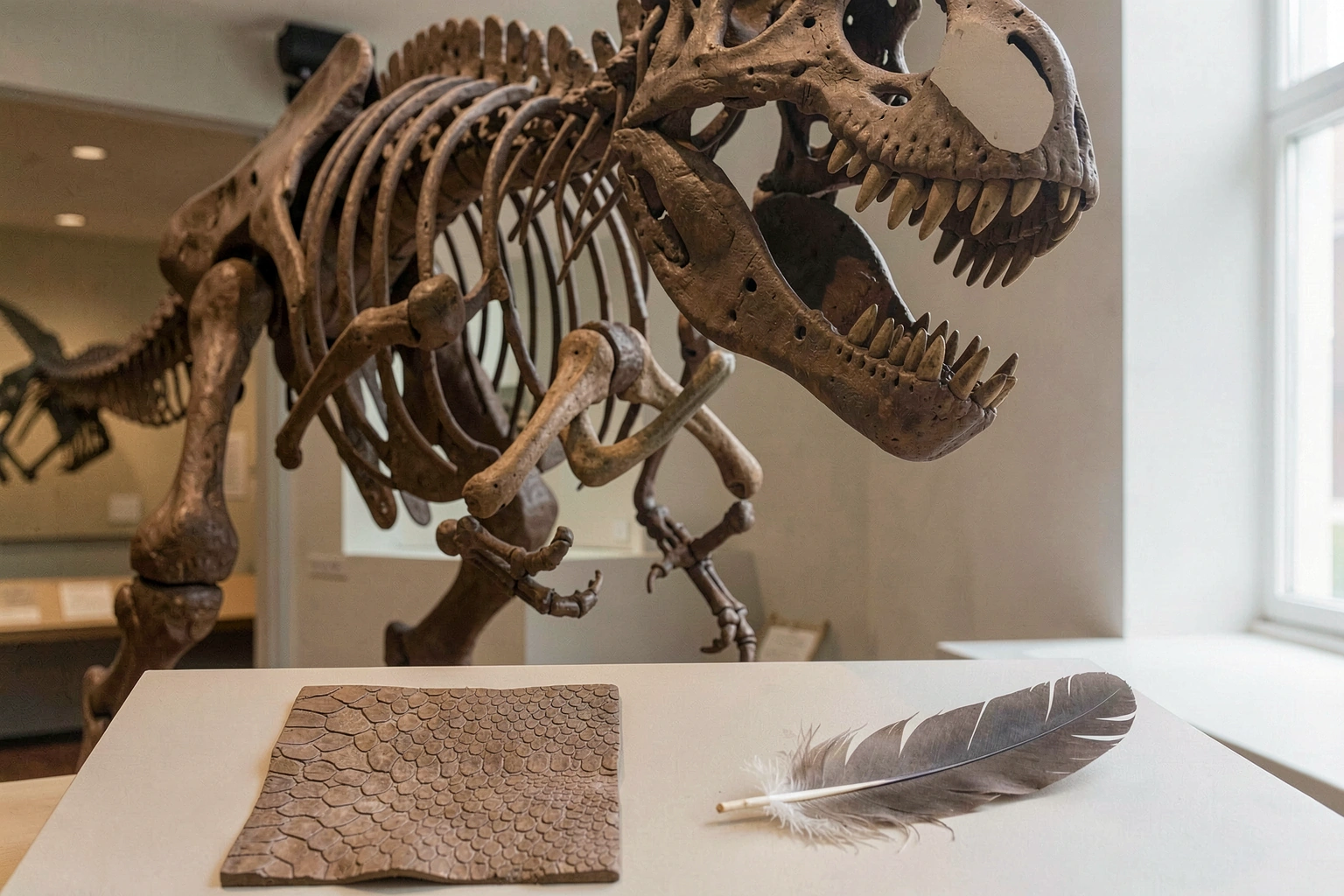
Yes, birds are technically reptiles. That might sound strange at first, but modern science is pretty clear on this: birds evolved from within the reptile family tree, which means they belong inside the reptile group, not outside of it.
Are Bird Reptiles? The Direct Answer and How to Think About It

Maya Bennett
20 Mar 2026
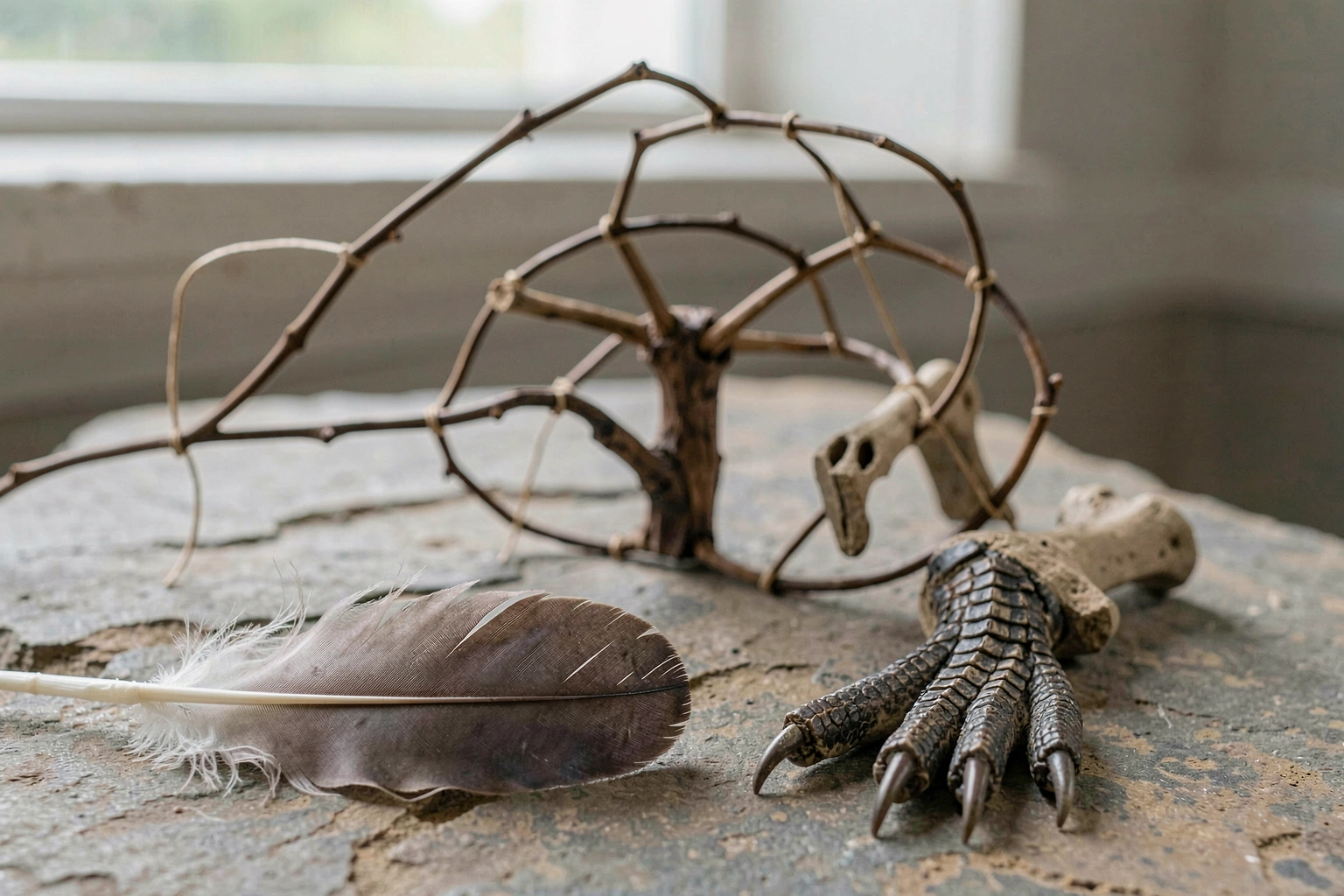
Wait, really? Here's why that's actually correct
The confusion comes from how we learned to classify animals in school. For a long time, biology textbooks sorted creatures into tidy boxes: mammals, birds, reptiles, amphibians, and fish. Under that old system, birds got their own class (Aves) and reptiles were a separate group. Clean, simple, and, as it turns out, not quite right.
Modern classification uses a system called cladistics, which groups animals based on shared ancestry rather than just physical appearance. Under this approach, a group has to include all descendants of a common ancestor. Since birds evolved from within the reptile lineage, leaving them out of Reptilia would make the group artificially incomplete. Britannica acknowledges this directly, noting that birds are "technically one lineage of reptiles," even if they have historically been treated separately for convenience.
So when you ask "is a bird a reptile" in a strict evolutionary sense, the answer is yes. Birds did not branch off from some early pre-reptile ancestor. They descended from within the reptiles, specifically from a group called the Archosauria.
What the Archosauria has to do with it
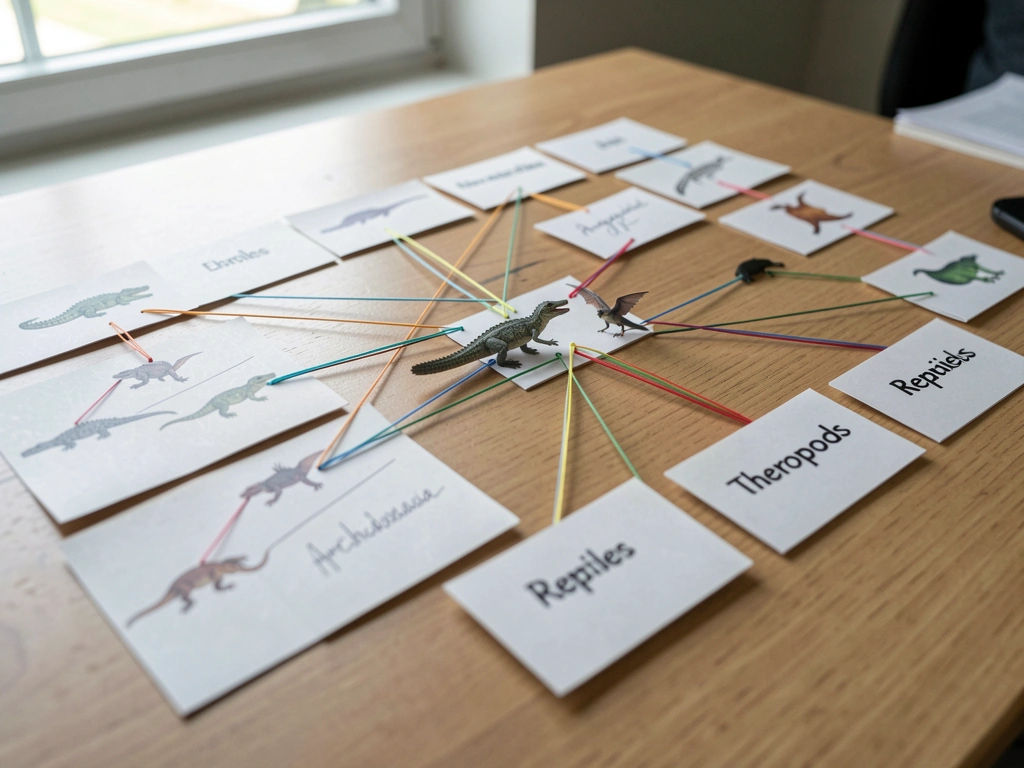
Archosauria is a major group within the reptile family tree that includes crocodilians, pterosaurs (the flying reptiles), non-avian dinosaurs, and birds. All the evidence in the fossil record points to birds arising from within this group. Crocodiles are actually birds' closest living relatives among non-bird reptiles, which is a fun fact that tends to surprise people.
Under the cladistic framework sometimes called Reptilia sensu stricto, birds and crocodiles are both included as archosaurs, and that entire group sits inside a monophyletic Reptilia, meaning one big family tree with a single common ancestor at the root. Birds do not sit outside that tree. They are a branch within it.
How birds and dinosaurs connect
Birds did not just evolve from any reptile. The fossil evidence points specifically to theropod dinosaurs, a group of mostly bipedal dinosaurs that included animals like Velociraptor and, yes, T. rex. A Harvard molecular study even found that T. rex protein sequences placed it closer to birds like ostriches and chickens than to other animals studied, which is a striking confirmation of that common ancestry.
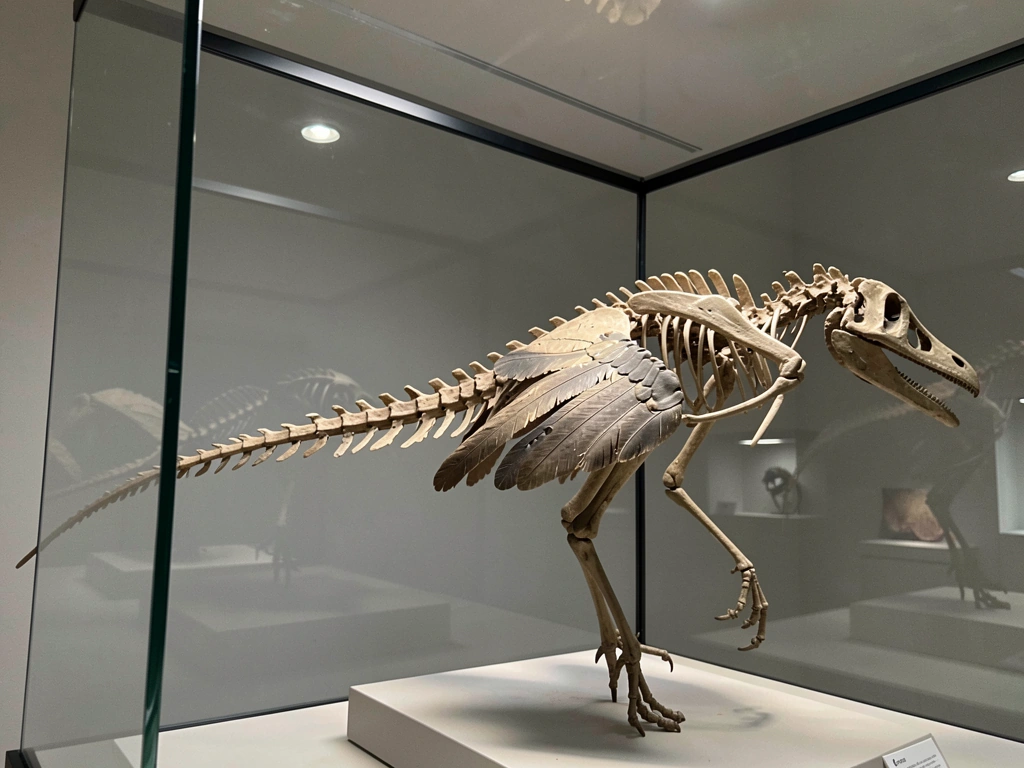
The fossil record for this transition is remarkably rich. Archaeopteryx, dating to around 150 million years ago, is one of the most famous transitional fossils in all of science. It had clear theropod dinosaur traits: teeth, a long bony tail, and clawed fingers. It also had unmistakable bird traits: feathers and a wishbone (technically called a furcula). Modern birds are its descendants, which also makes them the living descendants of dinosaurs.
Fossils like Sinosauropteryx pushed the picture back even further, showing filamentous, feather-like structures on a dinosaur that lived before Archaeopteryx. Then a flood of feathered dinosaur discoveries followed, all pointing in the same direction. Feathers did not appear suddenly in birds; they evolved gradually in theropod dinosaurs, and many feather-like features were widespread across the dinosaur family long before any bird flew. Birdlike behaviors, including reproductive habits and bipedal posture, also trace back to theropod ancestors.
What makes birds different from other reptiles
Being a reptile does not mean birds are identical to lizards or turtles. They share deep evolutionary roots but have taken those roots in a very different direction. Here are the traits birds share with other reptiles, and the ones that set them apart.
| Trait | Shared with other reptiles | Unique to birds |
|---|---|---|
| Amniotic egg | Yes (reptiles and birds both evolved hard-shelled, water-resistant eggs as a solution for breeding on land) | Birds lay external eggs like most reptiles, but egg structure varies |
| Scales | Yes (birds have scales on their feet and legs) | Feathers cover most of the body instead |
| Warm-blooded | Most reptiles are ectothermic (cold-blooded) | Birds are endothermic (warm-blooded) |
| Skeleton | Shares bony skeleton with all reptiles | Birds have hollow, lightweight bones adapted for flight |
| Common ancestor | All reptiles and birds share archosaur ancestry | Birds are the only surviving dinosaur lineage |
The amniotic egg is worth a special mention. One of the defining features of reptiles as a group is that they evolved an egg with a membrane and shell that resists water loss, allowing them to reproduce on land without returning to water like amphibians must. Birds share this adaptation completely. A chicken egg and a crocodile egg are both amniotic eggs, and that shared trait reflects genuinely shared ancestry.
The old "birds vs. reptiles" split was a classification convenience, not biology
It is worth understanding why the traditional split happened in the first place. Early naturalists classified animals based on visible physical traits. Reptiles seemed cold-blooded, scaly, and ground-dwelling. Birds were warm-blooded, feathered, and flew. The differences were obvious and dramatic, so they got placed in separate categories.
That system worked well enough for organizing field guides and basic biology classes, but it did not reflect how these animals actually evolved. Cladistics, which emerged as the dominant framework in the second half of the 20th century, changed the standard by demanding that groups reflect real evolutionary relationships. Under that standard, the old Reptilia without birds is an artificial grouping, sometimes called a paraphyletic group, because it leaves out some of the actual descendants of the reptile ancestor.
So when Britannica says birds are "treated separately" from reptiles, that is a nod to tradition and practical organization, not a scientific claim that birds are not reptiles. In a modern phylogenetic sense, is a bird a reptile? Yes, it fits fully within that family tree.
A quick look at where familiar birds fit
Once you accept that birds are a lineage within reptiles, some bird-related questions get a lot easier to answer. Archaeopteryx sits right at the fuzzy boundary between non-avian dinosaur and bird, with one foot in each world. The dodo, on the other hand, is simply an extinct bird—see is a dodo bird a dinosaur—a close relative of pigeons placed in the order Columbiformes. It was not a dinosaur in any separate sense; it was a bird, which means it was already part of the dinosaur lineage.
Even T. rex, which people tend to think of as the ultimate non-bird, shares more with modern birds than most people expect. Molecular evidence and fossil data both point in the same direction. Theropod dinosaurs like T. rex were the ancestors of the lineage that eventually produced birds, and some researchers believe T. rex may even have had feathers at some life stage.
So what should you actually say when someone asks?
If someone asks you "is a bird a reptile, yes or no," the scientifically accurate answer is yes. Birds are T. rex and birds a lineage of reptiles that descended from theropod dinosaurs, share key traits like amniotic eggs with other reptiles, and fit inside Reptilia under the modern cladistic classification.
The more casual, everyday answer is "it depends on which definition you use." In traditional biology, birds and reptiles were separated for practical reasons. In modern evolutionary biology, that separation does not hold up. Birds are reptiles the same way that humans are technically apes: the ancestry is there whether we find it intuitive or not.
The clearest way to think about it: every bird alive today is a living dinosaur, and every dinosaur was a reptile. That makes every sparrow, penguin, and chicken a reptile by descent, even if they look nothing like a lizard.
FAQ
If birds are reptiles, why do people say “bird” and “reptile” are separate categories?
Because most everyday and school classifications use a convenience-friendly box system. In modern evolutionary classification, “reptile” can mean a broader lineage that includes birds, but it can also mean a narrower group people call Reptilia sensu stricto. So you are not wrong to hear separation, you just have to know which definition the speaker is using.
How should I interpret Reptilia sensu stricto versus Reptilia in the broad evolutionary sense?
Think of it like two different rules for the word “reptile.” In the broad cladistic sense, birds must be included if they evolved inside the reptile family tree. In Reptilia sensu stricto, some authorities still keep categories tidy by using slightly different group boundaries. If you want one clear answer, “birds are reptiles in an evolutionary, lineage-based sense.”
Are turtles and lizards also “in the same reptile group” as birds?
Yes, they share a deeper common ancestry with birds, but they are not equally related to birds. Birds are in the archosaur branch, while lizards and most other scale reptiles sit elsewhere. They are all reptiles in the broad evolutionary view, but birds are much closer to crocodilians than to lizards.
Does “birds are reptiles” mean birds are cold-blooded like typical reptiles?
No. Birds are endothermic, meaning they generate internal heat and keep a high body temperature. That is one of the big reasons birds feel different from most lizards and snakes, even though they share reptile ancestry.
Do birds have reptile eggs, or are their eggs different?
They share the amniotic egg solution, which is the key reptile feature for land breeding. But the details differ. Most birds lay external eggs that are incubated and have specialized shell and gas exchange structures tuned for bird reproduction.
Are birds still “dinosaurs” if they count as reptiles?
Yes. Birds are the surviving lineage of theropod dinosaurs. So you can truthfully say birds are both reptiles (in the evolutionary lineage sense) and dinosaurs (as a nested subgroup within that ancestry). The overlap just depends on which evolutionary “levels” you are talking about.
What about crocodiles, are they reptiles too, and are they closer to birds than other reptiles?
Crocodiles are definitely reptiles, and yes, they are birds’ closest living non-bird relatives. That closeness comes from both being archosaurs, even though crocodiles look very different and do not fly.
If fossils prove birds evolved from dinosaurs, what should I look for in the evidence?
Look for nested traits that appear in the right order: feather or feather-like structures, birdlike hand and shoulder anatomy, and ultimately flight-related adaptations. The best indicators are fossils that show a blend of theropod traits plus increasing bird traits, not just a single feature like feathers.
Why do some sources still say “birds are not reptiles”?
They are usually using a traditional textbook style classification where birds are placed in Aves as a separate class. That is a labeling choice, not a denial that birds evolved within the reptile family tree. The mismatch is often about definitions, not biology.
If I want a simple “answer,” what sentence should I use to be accurate?
Use: “Yes, birds are reptiles in an evolutionary sense, because they evolved from within the reptile lineage (archosaurs), but birds also have many distinctive traits that make them very different from typical lizards and turtles.”
Next Article
Was T. rex a Bird? Direct Answer and What Evidence Shows
Direct answer on was T. rex a bird, plus evidence on dinosaur lineage, bones, and feather debate.